
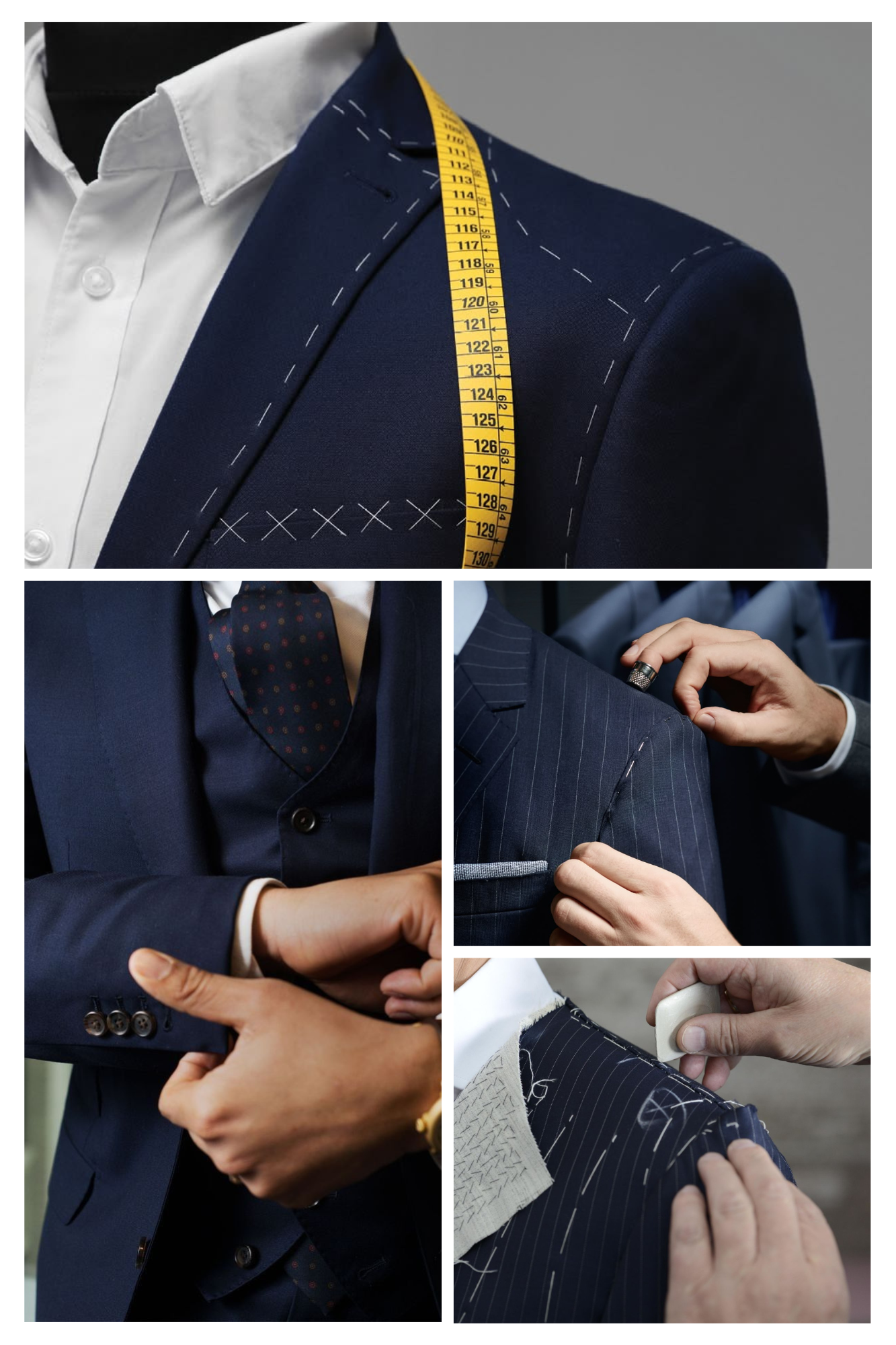
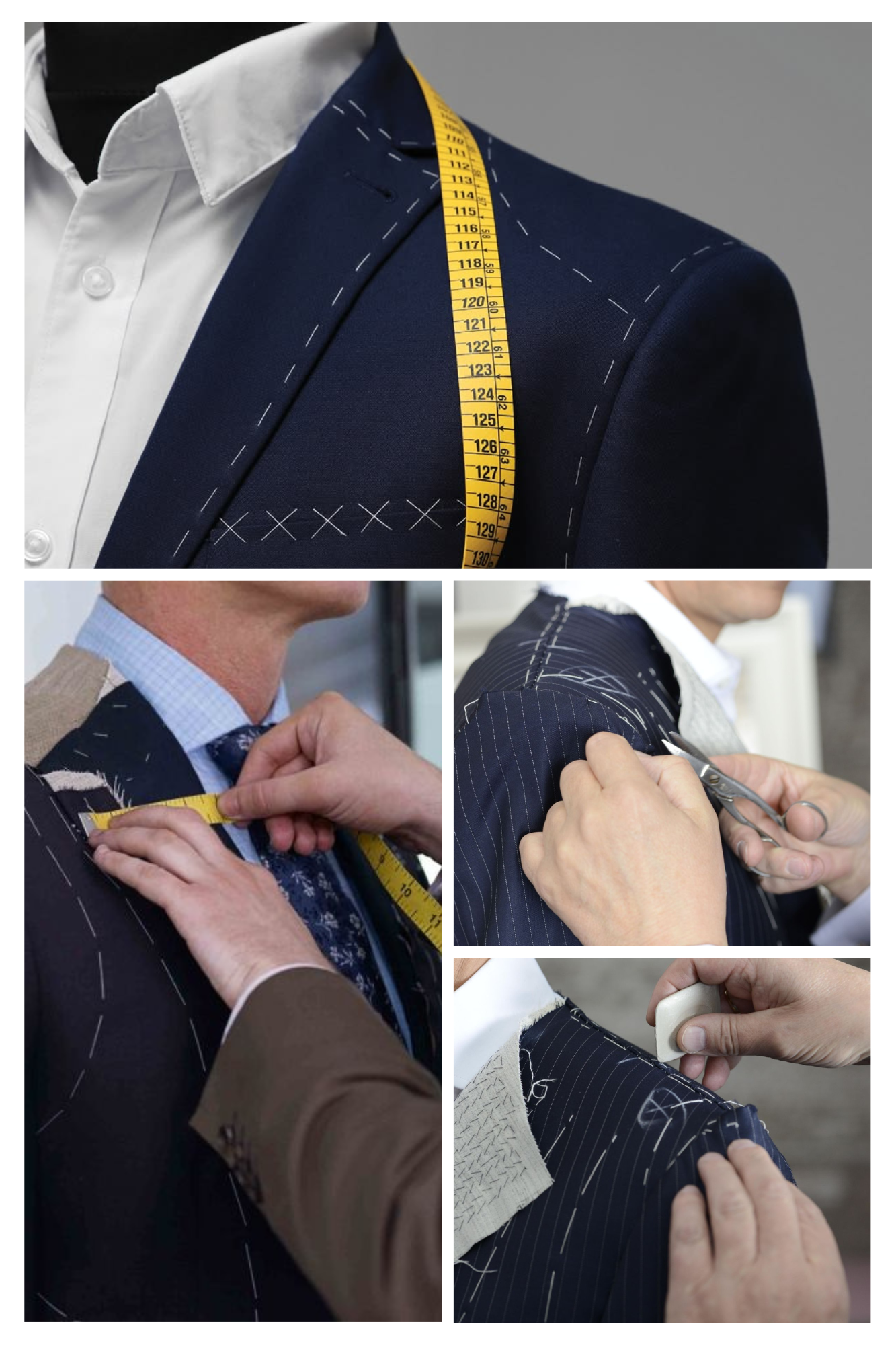
Introduction
When people buy a suit, they often compare colours, fabrics, brands, or prices. These are important considerations, but there is another factor that has an even greater impact on how a suit looks, feels, and performs over time: its internal construction.
Hidden beneath the outer fabric is the foundation of the jacket. This unseen structure determines whether the suit drapes naturally, moves comfortably with your body, retains its shape after years of wear, and offers long-term value.
Many buyers are surprised to learn that two suits made from similar-looking navy wool can have completely different construction methods. One may be designed for occasional wear, while another is crafted to last for many years with excellent shape retention and comfort.
Understanding the difference between fused, half-canvas, and full-canvas construction will help you make a more informed decision—whether you're purchasing your first business suit, preparing for a wedding, or investing in a bespoke wardrobe.
In this guide, we'll explain each construction method in clear language, compare their strengths and limitations, and help you determine which option best suits your lifestyle and budget.
Why Suit Construction Matters More Than Most People Realise
Imagine building two houses using the same exterior materials.
One has a carefully engineered internal framework.
The other relies on faster, less robust methods.
From the outside, both houses may look similar when they're new. Over time, however, differences in durability, stability, and performance become more noticeable.
A suit works in much the same way.
The quality of the hidden construction influences:
- How naturally the jacket drapes.
- How comfortable it feels throughout the day.
- How well the lapels maintain their shape.
- How the jacket responds to movement.
- How effectively it retains its appearance over years of wear.
This is why experienced tailors place great importance on the internal structure—not just the fabric that everyone can see.
What Is the Canvas Inside a Suit?
Many people assume that a suit jacket consists of only three layers:
- Outer fabric.
- Lining.
- Padding.
In reality, there is another important layer between the outer cloth and the lining called the canvas.
The canvas acts as the structural foundation of the jacket.
It is designed to:
- Support the chest.
- Shape the lapels.
- Maintain the jacket's silhouette.
- Help the fabric drape smoothly.
- Improve flexibility during movement.
Unlike the outer fabric, the canvas is usually hidden from view. Yet it plays one of the most significant roles in determining how a jacket performs.
Depending on how this canvas is incorporated into the garment, a suit falls into one of three categories:
- Fused
- Half-canvas
- Full canvas
Each has its own advantages and is suited to different needs.
What Is a Fused Suit?
A fused suit is the most common construction method used in modern ready-to-wear tailoring.
Instead of stitching a canvas into the jacket, manufacturers bond an interlining to the outer fabric using heat and adhesive.
This process is efficient and helps keep production costs lower, making fused suits widely available at many price points.
Advantages of a Fused Suit
- Generally more affordable.
- Faster to produce.
- Lightweight.
- Suitable for occasional use.
- Often a practical choice for first-time suit buyers.
For someone who wears a suit only a few times a year—for interviews, formal dinners, or occasional business meetings—a well-made fused jacket can provide good value.
Things to Consider
Because the interlining is bonded with adhesive rather than stitched, repeated exposure to heat, moisture, or frequent dry cleaning may eventually affect the bond.
Over many years, some fused jackets can develop bubbling or lose some of their original structure.
This does not happen to every fused suit, but it is one reason why construction methods are worth understanding before making a purchase.
Common Myths About Fused Suits
Many online discussions suggest that all fused suits are poor quality.
This is not accurate.
The overall quality of a suit depends on many factors, including:
- Fabric selection.
- Pattern making.
- Tailoring skill.
- Finishing techniques.
- Construction quality.
A carefully made fused suit using quality materials can still provide a smart appearance and serve its owner well.
The important point is to choose the construction that best matches how often you wear a suit and what you expect from it.
What Is a Half-Canvas Suit?
If there is one construction method that many experienced tailors recommend for professionals, it is the half-canvas suit. It strikes a thoughtful balance between craftsmanship, performance, and value.
Unlike a fused jacket, which relies entirely on adhesive, a half-canvas jacket contains a floating canvas through the chest and lapel. This section is stitched into the garment rather than glued. The lower portion of the jacket uses a lighter fused construction to keep the suit more affordable than a full-canvas garment.
This design offers many of the advantages of traditional tailoring while remaining practical for everyday business wear.
Why the Chest and Lapel Matter
The chest and lapel are the most important structural areas of a suit jacket.
These sections influence:
- How the lapel rolls.
- How the jacket drapes across the chest.
- How naturally the jacket moves.
- How well the front of the suit maintains its shape.
By reinforcing these areas with canvas instead of adhesive, a half-canvas jacket often feels more comfortable and develops a more natural appearance over time.
Advantages of a Half-Canvas Suit
A half-canvas jacket offers several practical benefits:
Natural Shape
The chest retains a cleaner, more elegant silhouette than many fully fused jackets.
Better Comfort
The stitched canvas allows the jacket to move more naturally with your body, making it comfortable for long business days.
Improved Breathability
Without adhesive across the entire front of the jacket, airflow can improve slightly, which is beneficial in warmer climates.
Long-Term Durability
Because the most important structural areas use stitched canvas, the jacket generally maintains its shape well over years of regular wear.
Excellent Value
For many professionals, half-canvas construction provides an outstanding balance between quality and price.
Who Should Choose a Half-Canvas Suit?
A half-canvas suit is an excellent option if you:
- Wear suits several times a month or every week.
- Need a dependable business wardrobe.
- Attend meetings, conferences, or networking events regularly.
- Want better structure without investing in full canvas.
- Appreciate quality craftsmanship and long-term value.
For many professionals, it represents the "sweet spot" between affordability and luxury.
What Is a Full-Canvas Suit?
A full-canvas suit is considered the traditional benchmark of bespoke tailoring.
Instead of using adhesive, the jacket contains a floating canvas that extends from the shoulders to the hem. This canvas is stitched into the garment, allowing it to move independently from the outer fabric.
As you wear the jacket, the canvas gradually adapts to your body, creating a fit that becomes increasingly comfortable over time.
This construction requires significantly more time, precision, and tailoring expertise than fused or half-canvas methods.
Why Full Canvas Is Different
A full-canvas jacket is not just about luxury—it changes how the suit behaves.
The floating canvas helps the jacket:
- Drape naturally.
- Recover its shape after movement.
- Follow the body's posture.
- Create softer, more elegant lapels.
- Maintain structure without feeling rigid.
Rather than forcing the jacket into shape with adhesive, the canvas allows it to respond naturally to the wearer's movement.
Advantages of a Full-Canvas Suit
Exceptional Comfort
The jacket moves with your body rather than against it, making it ideal for professionals who spend long hours wearing suits.
Superior Drape
A full-canvas jacket hangs more naturally, creating cleaner lines and a refined silhouette.
Long-Term Performance
With proper care, a well-made full-canvas suit can remain part of your wardrobe for many years.
Timeless Craftsmanship
Traditional bespoke tailoring has relied on canvas construction for generations because of its durability and elegance.
Which Construction Is Best for Bangkok's Climate?
Bangkok's warm and humid weather means comfort is just as important as appearance.
The construction you choose can influence how the jacket feels throughout the day.
Fused Suits
Suitable for occasional wear and short periods in air-conditioned environments.
Half-Canvas Suits
Often provide an excellent balance of structure and comfort, making them a popular choice for professionals who wear suits regularly.
Full-Canvas Suits
When paired with lightweight wool or tropical fabrics, a full-canvas jacket can offer outstanding comfort while maintaining an elegant drape.
The most important factor is choosing a breathable fabric alongside the right construction.
Canvas vs Fused vs Half-Canvas Suits: The Complete Guide
How to Tell If Your Suit Is Fused, Half-Canvas, or Full Canvas
Many people own suits without knowing how they are constructed. Fortunately, there are a few simple ways to identify the construction.
1. The Pinch Test
One of the easiest methods is to gently pinch the fabric around the lapel.
If you can feel a separate layer moving independently between the outer fabric and the lining, the jacket is likely half-canvas or full canvas.
If the fabric feels bonded together as one layer, it may be fused.
Note: Some modern jackets are difficult to identify this way, so if you're unsure, ask your tailor.
2. Observe the Lapel Roll
Look at how the lapel sits when the jacket is buttoned.
A canvas jacket usually develops a soft, natural roll over time because the canvas shapes itself to the wearer.
A fused jacket often appears flatter and more structured.
3. Check the Jacket's Age
As jackets get older, differences may become more noticeable.
A quality canvas jacket generally maintains its shape well over time.
Some fused jackets may eventually show signs of wear in the bonded areas, although this varies depending on quality and how the suit has been cared for.
Common Myths About Suit Construction
There are many misconceptions online about suit construction. Let's clear up a few of them.
Myth 1: Full Canvas Is Always the Best Choice
Not necessarily.
The best construction depends on your budget, lifestyle, and how often you wear suits.
Someone who wears a suit only once or twice a year may not benefit from a premium full-canvas garment in the same way as someone who wears one several times a week.
Myth 2: Every Fused Suit Is Poor Quality
False.
Many well-made fused suits offer excellent value and look very smart.
Construction is only one part of a suit's overall quality. Fabric, pattern making, finishing, and tailoring are equally important.
Myth 3: Expensive Means Better
Price alone does not guarantee quality.
A carefully made half-canvas suit can outperform a poorly constructed premium-priced jacket.
Always consider craftsmanship, fit, and the reputation of the tailor—not just the price tag.
How to Choose the Right Suit for Your Lifestyle
Ask yourself these questions before deciding:
How often do I wear a suit?
- Once or twice a year → A quality fused suit may be sufficient.
- Every week → A half-canvas suit is often an excellent choice.
- Most working days → Consider investing in a full-canvas suit.
What is my budget?
Choose the highest level of craftsmanship that comfortably fits your budget.
A well-fitted suit that suits your needs is often a better investment than overspending on features you may not fully benefit from.
Where will I wear it?
-
Business meetings
-
Weddings
-
Corporate events
-
Daily office wear
-
International travel
Different occasions may influence your choice of construction, fabric, and style.
Suit Care Tips Based on Construction
Proper care helps any well-made suit last longer.
For Fused Suits
- Hang the jacket on a broad wooden hanger.
- Brush away dust after wearing.
- Avoid unnecessary dry cleaning.
- Store in a breathable garment bag.
For Half-Canvas Suits
- Rotate between suits if you wear them regularly.
- Steam lightly to relax wrinkles.
- Allow the suit to rest between wears.
For Full-Canvas Suits
- Use a quality hanger to support the shoulders.
- Brush the fabric after each wear.
- Dry clean only when necessary.
- Store in a cool, dry place.
Frequently Asked Questions
What is the biggest difference between fused and canvas suits?
The primary difference is how the internal structure is attached. Fused suits use adhesive, while canvas suits use stitched canvas that provides a more natural drape and shape.
Is half-canvas worth the extra cost?
For many professionals, yes. It offers improved comfort, structure, and durability while remaining more affordable than a full-canvas suit.
Does full canvas make a suit last longer?
The construction can contribute to long-term shape retention, but longevity also depends on the fabric, tailoring quality, and how the suit is cared for.
Which construction is best for Bangkok?
There is no single answer. Many professionals appreciate half-canvas or full-canvas jackets paired with lightweight wool because they combine structure with comfort in a warm climate.
Can I alter a fused suit?
Most fused suits can be altered to improve the fit, although the extent of alterations depends on the garment's design and construction.
Why Construction Matters at Kim Bespoke BKK
At Kim Bespoke BKK, we believe an informed client makes the best decisions.
During your consultation, we take the time to explain the differences between construction methods, recommend fabrics that suit Bangkok's climate, and guide you towards the option that best matches your lifestyle, preferences, and budget.
Our goal is not simply to create a suit that looks elegant on the day you collect it, but one that continues to provide comfort, confidence, and timeless style for years to come.