Introduction
Success doesn't automatically translate into great style.
Many successful entrepreneurs, executives, and professionals invest heavily in luxury watches, premium shoes, and designer clothing. Yet when it comes to suits, even experienced buyers sometimes overlook the details that make the biggest difference.
The issue is rarely the price of the suit. Instead, it often comes down to fit, construction, fabric, and understanding how a suit should complement the person wearing it.
A well-tailored suit can project confidence, professionalism, and attention to detail. On the other hand, a poorly chosen or poorly fitted suit can reduce the impact of an otherwise polished appearance.
In this guide, we'll explore ten common suit mistakes that many people make—regardless of budget—and explain how to avoid them.
Why Small Details Matter
People rarely notice every stitch of a suit, but they quickly notice the overall impression.
A jacket that fits naturally, trousers with the correct length, and quality fabric working together create an appearance that feels effortless.
Often, it is the subtle details—not flashy logos or expensive brands—that distinguish refined tailoring from ordinary clothing.
.
Mistake #1: Buying Based on the Brand Instead of the Fit
Many people assume that a famous brand guarantees an excellent suit.
In reality, even a premium designer suit may not fit properly if it is made to standard sizing.
Why It Matters
A suit should complement your body shape, not force you to adapt to the garment.
Common issues include:
- Sleeves that are too long.
- A loose collar.
- Excess fabric around the waist.
- Tight shoulders.
- Jacket length that is out of proportion.
These problems affect both comfort and appearance.
Better Approach
Choose a suit that fits your body well or have it professionally tailored.
A well-fitted suit from an experienced tailor often creates a stronger impression than an expensive garment that doesn't fit correctly.
Mistake #2: Choosing Fashion Trends Over Timeless Style
Fashion trends come and go.
Extremely narrow lapels, oversized shoulders, unusual colours, or heavily patterned fabrics may feel exciting today but can quickly look dated.
Why It Matters
Classic tailoring remains stylish for many years.
Professionals who build a wardrobe around timeless designs often enjoy greater versatility and longer-lasting satisfaction.
Better Approach
Invest in:
- Navy suits.
- Charcoal grey suits.
- Medium grey suits.
- Classic lapel widths.
- Quality wool fabrics.
These choices remain appropriate across a wide range of business and formal occasions.
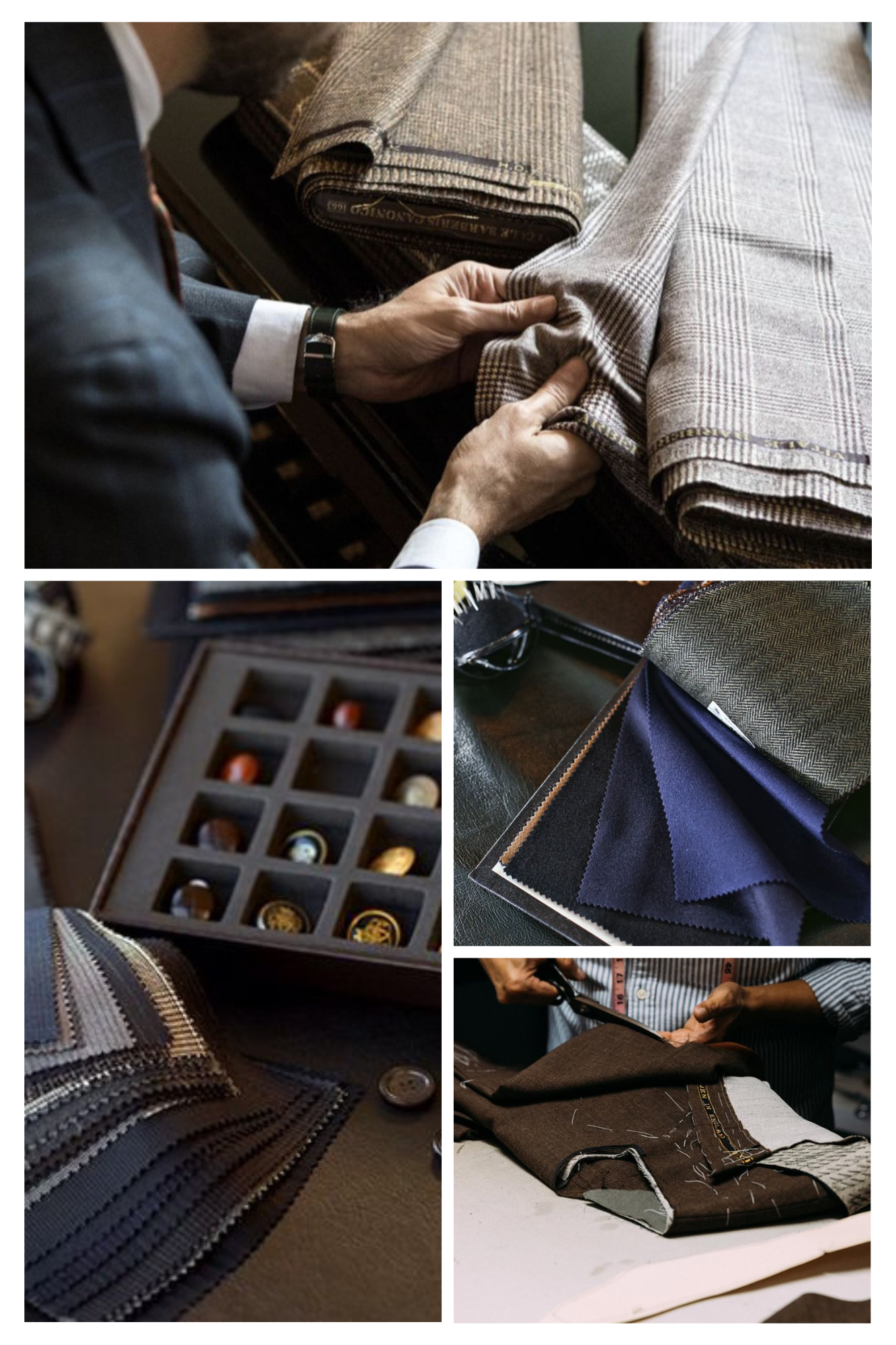
Mistake #3: Ignoring Fabric Quality
Two suits can look almost identical from a distance while performing very differently over time.
The difference often lies in the fabric.
Why It Matters
Quality fabrics generally provide:
- Better breathability.
- Improved wrinkle recovery.
- Softer texture.
- More elegant drape.
- Greater comfort throughout the day.
Choosing a fabric that suits your climate and lifestyle contributes to both comfort and longevity.
Better Approach
When selecting a suit, ask about:
- Fibre composition.
- Fabric weight.
- Country of origin.
- Seasonal suitability.
Understanding these details helps you choose a fabric that meets your needs rather than relying solely on appearance.
Mistake #4: Wearing the Wrong Jacket Length
One of the most common tailoring mistakes is wearing a jacket that is too short or too long.
Too Short
A very short jacket may create an unbalanced silhouette and can go out of style quickly.
Too Long
An overly long jacket may make the wearer appear shorter and reduce the clean lines of the suit.
Better Approach
A skilled tailor will recommend a jacket length that complements your height, proportions, and personal style rather than simply following current fashion trends.
Mistake #5: Overlooking Proper Trouser Fit
Many people focus entirely on the jacket while giving little attention to the trousers.
However, trousers play an equally important role in creating a balanced appearance.
Common issues include:
- Excess fabric around the thighs.
- Very narrow leg openings that restrict movement.
- Trousers that are too long and bunch excessively over the shoes.
- Trousers that sit too low on the waist.
Better Approach
Aim for trousers that provide:
- Comfortable movement.
- A clean silhouette.
- An appropriate break over the shoes.
- Proportions that complement the jacket.
Comfort and elegance should work together.
Mistake #6: Wearing the Wrong Shoes
A beautifully tailored suit can lose much of its impact if it is paired with inappropriate footwear.
Shoes are one of the first details people notice, especially during business meetings and formal events. Even an expensive suit may appear less polished when worn with worn-out, poorly maintained, or overly casual shoes.
Common Mistakes
- Wearing athletic shoes with a business suit.
- Choosing shoes that are badly scuffed or worn.
- Wearing a belt that doesn't match the shoe colour.
- Wearing overly casual loafers at formal events.
Better Approach
Build your wardrobe around a few timeless leather shoes:
- Black Oxford shoes – Ideal for formal business meetings and evening occasions.
- Dark brown Oxford or Derby shoes – Versatile for everyday business wear.
- Quality loafers – Suitable for smart-casual business environments.
Regular cleaning and polishing will help leather shoes maintain their appearance for many years.
Mistake #7: Neglecting Suit Maintenance
Even the finest bespoke suit needs proper care.
Many people assume that buying an expensive suit is enough. In reality, how you care for it plays a major role in how long it retains its shape and appearance.
Common Mistakes
- Hanging the suit on thin wire hangers.
- Dry cleaning after every wear.
- Folding the jacket carelessly.
- Storing suits in humid spaces.
Better Approach
- Use broad wooden hangers to support the shoulders.
- Brush the fabric gently after wearing.
- Allow the suit to rest between wears.
- Dry clean only when necessary.
- Store the suit in a breathable garment bag.
Good maintenance helps preserve both the fabric and the jacket's structure
Mistake #8: Overusing Accessories
Accessories should complement your suit—not compete for attention.
Too many accessories can make even an expensive outfit feel cluttered.
Common Mistakes
- Wearing oversized tie bars.
- Combining multiple bold patterns.
- Choosing flashy cufflinks for conservative business settings.
- Wearing large logos on belts or other accessories.
Better Approach
A classic combination often includes:
- A quality wristwatch.
- A white linen pocket square.
- Simple cufflinks (when appropriate).
- A leather belt that matches your shoes.
Understated accessories often create the most refined impression.
Mistake #9: Buying Too Many Cheap Suits Instead of a Few Great Ones
Some people believe that owning ten inexpensive suits offers better value than owning three well-made suits.
However, a smaller wardrobe built around versatile, high-quality garments can often be more practical.
A Smarter Wardrobe
Consider starting with:
- One navy suit.
- One charcoal grey suit.
- One medium grey suit.
Pair these with a selection of white and light blue shirts, quality ties, and polished leather shoes. This combination provides flexibility for business meetings, formal events, and travel without unnecessary duplication.
Mistake #10: Skipping Professional Measurements
One of the biggest mistakes is assuming that standard sizing works equally well for everyone.
Every person has unique proportions, including shoulder width, posture, arm length, and body shape.
Why Measurements Matter
Professional measurements help create a suit that:
- Sits naturally on the shoulders.
- Allows comfortable movement.
- Balances the body's proportions.
- Reduces the need for repeated alterations.
Whether you choose made-to-measure or bespoke tailoring, accurate measurements are one of the most important foundations of a well-fitting suit.
Frequently Asked Questions
Can an expensive suit still fit poorly?
Yes. Price and brand do not guarantee a good fit. Proper tailoring is often the biggest factor in how a suit looks and feels.
Should I buy trendy suits?
Fashion trends can be enjoyable, but timeless styles generally remain versatile for longer and are easier to wear across different occasions.
How many suits should a professional own?
Many professionals begin with three core suits:
- Navy
- Charcoal grey
- Medium grey
These colours cover most business and formal situations.
Is bespoke tailoring only for executives?
No. Bespoke tailoring is suitable for anyone who values personalised fit, comfort, and craftsmanship.
How often should I replace a quality suit?
There is no fixed timeline. With proper care and rotation, a well-made suit can remain part of your wardrobe for many years.
Final Thoughts
A great suit is about much more than its label or price.
The most elegant wardrobes are often built on timeless design, quality materials, thoughtful tailoring, and proper care. By avoiding common mistakes and focusing on fit, proportion, and versatility, you can create a wardrobe that serves you well for business, formal occasions, and everyday confidence.
Rather than following short-lived trends, invest in clothing that reflects your personal style and supports your lifestyle.
Why Fit Matters at Kim Bespoke BKK
At Kim Bespoke BKK, we believe every client deserves clothing that fits both their body and their lifestyle.
During each consultation, we take detailed measurements, discuss fabric options, and recommend styles that complement your profession, preferences, and intended use. Our goal is to create garments that provide comfort, confidence, and timeless elegance—whether you're purchasing your first bespoke suit or expanding an established wardrobe.