
Introduction
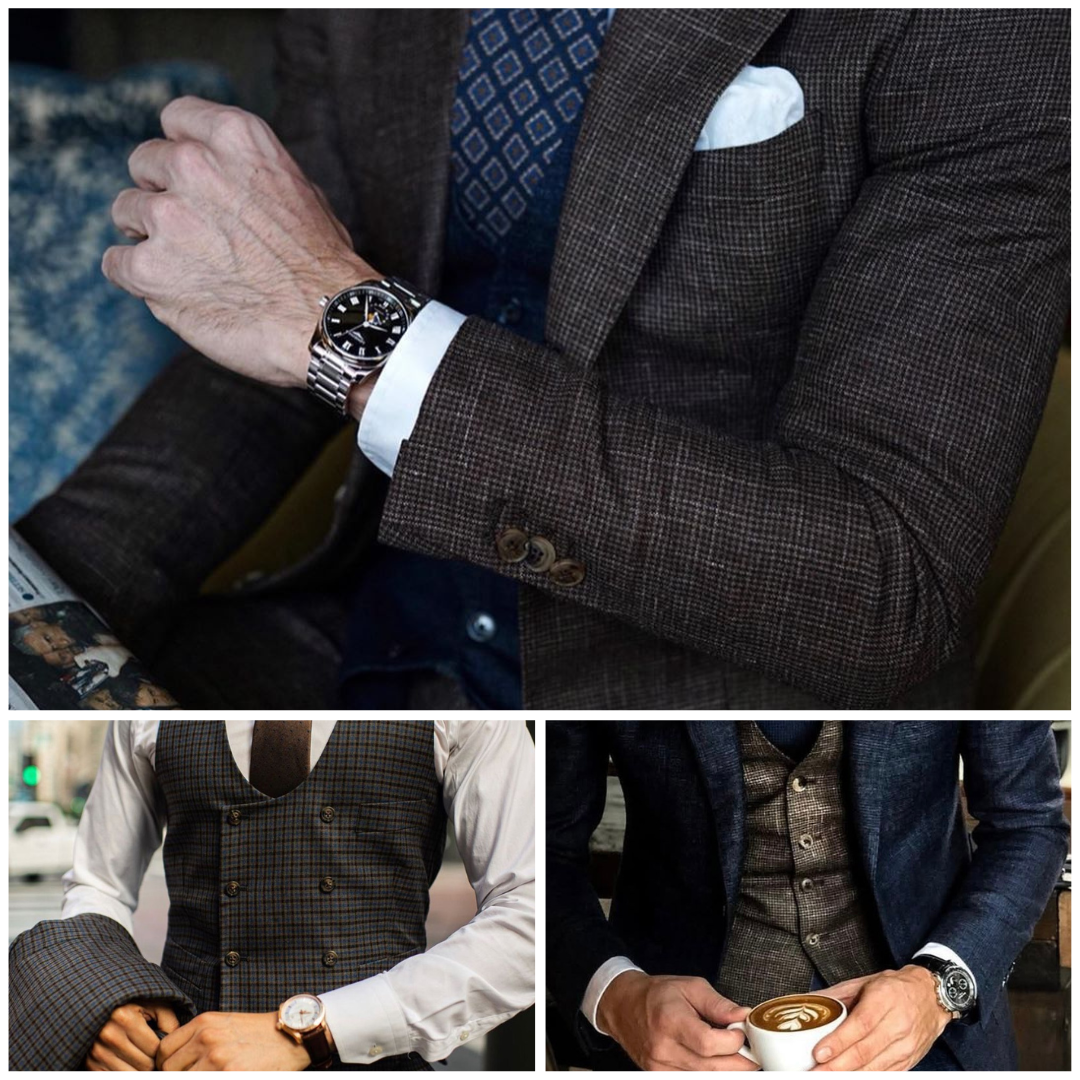
A bespoke suit is not simply a piece of clothing. It is a garment created through a detailed process of craftsmanship, precision, and personalisation.
Unlike ready-to-wear suits that are produced using standard sizes, a bespoke suit is designed specifically around one individual. Every element is carefully considered, from the customer’s body measurements and posture to the fabric selection, design details, and final fitting.
For professionals, entrepreneurs, wedding clients, and style-conscious individuals, a bespoke suit represents more than appearance. It represents confidence, professionalism, and personal identity.
The journey of creating a bespoke suit involves several important stages:
- Personal consultation
- Style discussion
- Fabric selection
- Detailed measurements
- Pattern creation
- Fabric cutting
- Suit construction
- Multiple fittings
- Final adjustments
- Delivery
Each step contributes to creating a suit that feels natural, looks elegant, and is made specifically for the person wearing it.
What Makes a Bespoke Suit Different From a Regular Suit?
Many customers wonder what makes a bespoke suit different from an ordinary suit.
The answer is personalisation.
A ready-made suit is created for the average body shape. A bespoke suit is created around your unique body structure.
A professional bespoke tailor considers:
- Shoulder shape
- Body posture
- Chest structure
- Arm length
- Preferred fit
- Lifestyle requirements
- Personal style
The purpose is not only to make a suit that fits but to create a garment that moves naturally with the wearer.
A properly crafted bespoke suit should feel comfortable while maintaining a refined and elegant appearance.
Step 1: The Initial Consultation
Every bespoke suit journey begins with a personal consultation.
This is the stage where the tailor learns about the client’s requirements and understands the purpose of the garment.
A professional consultation usually covers:
The Purpose of the Suit
The tailor will discuss where and how the suit will be worn.
Examples:
Business Suit
Designed for:
- Corporate meetings
- Professional presentations
- Executive environments
Common choices:
- Navy blue
- Charcoal grey
- Classic wool fabrics
Wedding Suit
Designed for:
- Groom outfits
- Wedding ceremonies
- Special celebrations
Common choices:
- Luxury fabrics
- Elegant colours
- Personalised details
Formal Evening Suit
Designed for:
- Black-tie events
- Galas
- Formal occasions
Common choices:
- Tuxedo styling
- Satin details
- Premium fabrics
Understanding Your Personal Style
A great tailor does not simply follow measurements. They understand the personality behind the garment.
During consultation, clients can discuss:
- Classic or modern style
- Slim or relaxed silhouette
- Preferred colours
- Traditional or contemporary designs
- Level of formality
For example:
A businessman may prefer a timeless navy suit with a clean professional appearance.
A fashion-conscious client may choose a double-breasted design with unique details.
A groom may want a suit that reflects his personality and wedding theme.
Step 2: Choosing the Perfect Suit Design
After understanding the client’s needs, the design process begins.
Every detail can influence the final appearance of the suit.
Jacket Design Options
Single-Breasted Jacket
A timeless choice suitable for:
- Business wear
- Daily professional use
- Versatile wardrobes
Double-Breasted Jacket
A more distinctive style that creates:
- Stronger presence
- Elegant silhouette
- Classic luxury appearance
Lapel Selection
The lapel is one of the most noticeable features of a suit.
Common options include:
Notch Lapel
A versatile option suitable for business and everyday suits.
Peak Lapel
Creates a stronger and more formal appearance.
Shawl Lapel
Commonly used for tuxedos and evening wear.
Suit Fit Selection
A bespoke suit can be designed according to the client’s preferred style.
Common fits include:
Classic Fit
Provides comfort and traditional elegance.
Modern Fit
Balances comfort with a contemporary appearance.
Slim Fit
Creates a sharper silhouette while maintaining movement.
A skilled tailor will recommend a fit based on body proportions rather than simply following trends.
Step 3: Selecting Premium Suit Fabric
Fabric selection is one of the most important parts of the bespoke suit process.
The fabric affects:
- Comfort
- Appearance
- Breathability
- Durability
- Overall luxury feel
A professional tailor helps clients select fabric based on:
- Climate
- Occasion
- Frequency of use
- Personal preference
Popular Bespoke Suit Fabrics
Wool
Wool remains one of the most popular choices for bespoke suits.
Advantages:
- Elegant appearance
- Natural breathability
- Durable performance
- Suitable for business and formal wear
Linen
Linen is ideal for warmer climates such as Bangkok.
Advantages:
- Lightweight
- Breathable
- Relaxed luxury appearance
Perfect for:
- Summer suits
- Resort wear
- Casual elegance
Cotton
Cotton provides:
- Comfort
- Soft texture
- Versatility
Suitable for:
- Smart casual suits
- Everyday tailoring
Luxury Fabrics
For clients seeking premium experiences, options may include:
- Cashmere blends
- Mohair blends
- Silk blends
These fabrics provide additional softness, texture, and exclusivity.
Step 4: Taking Accurate Measurements
Measurements are the foundation of every bespoke suit.
Unlike standard clothing sizes, bespoke tailoring studies the individual shape of the customer.
A tailor carefully measures areas including:
Jacket Measurements
- Chest
- Waist
- Shoulder width
- Sleeve length
- Jacket length
Shirt Measurements
- Neck
- Chest
- Shoulder width
- Sleeve length
- Shirt length
Trouser Measurements
- Waist
- Hip
- Thigh
- Inseam
- Outseam
- Bottom width
Why Bespoke Measurements Are Different
A professional tailor does more than record numbers.
They also observe:
- Natural posture
- Shoulder balance
- Body proportions
- Movement
- Standing position
This allows the tailor to create a garment that follows the customer’s natural shape.
The result is a suit that feels comfortable, balanced, and personalised.
The Complete Bespoke Suit Process: From First Measurement to Final Fitting
Step 5: Creating the Personal Bespoke Pattern
After the consultation, fabric selection, and measurement process, the next important stage begins: creating the client’s personal pattern.
The pattern is the foundation of the entire bespoke suit. It acts as a blueprint that guides the tailor throughout the construction process.
Unlike ready-to-wear suits that use standard size charts, a bespoke pattern is created specifically for one individual.
The tailor carefully considers:
- Body measurements
- Shoulder structure
- Posture
- Chest shape
- Arm position
- Preferred silhouette
- Movement requirements
This allows the suit to follow the natural shape of the wearer instead of forcing the body to fit into a standard design.
Why Personal Pattern Creation Matters
Every person’s body is unique.
Two individuals may have the same height and weight but completely different proportions.
One person may have:
- Wider shoulders
- Longer arms
- A shorter torso
- A different posture
A personal pattern allows the tailor to correct and balance these differences.
The result is a suit that:
- Fits naturally
- Looks balanced
- Feels comfortable
- Creates an elegant silhouette
This is one of the main reasons bespoke tailoring delivers a superior fit compared with mass-produced suits.
Step 6: Precision Fabric Cutting
Once the pattern is completed, the fabric cutting process begins.
This stage requires experience, accuracy, and attention to detail because every cut affects the final appearance of the suit.
The tailor carefully places the pattern onto the selected fabric while considering:
- Fabric direction
- Pattern alignment
- Texture
- Stripe or check matching
- Material characteristics
A small mistake during cutting can affect the entire garment, which is why professional cutters take great care during this stage.
The Importance of Expert Fabric Cutting
Creating the Correct Shape
Precise cutting ensures that each piece follows the intended design.
This creates:
- Better structure
- Improved drape
- Balanced proportions
Matching Fabric Patterns
For fabrics with:
- Stripes
- Window checks
- Patterns
the tailor carefully aligns the design so the finished suit appears refined and symmetrical.
Maintaining Fabric Quality
Experienced tailors understand how different fabrics behave.
For example:
- Lightweight fabrics require careful handling.
- Patterned fabrics require accurate matching.
- Luxury fabrics require additional attention.
Step 7: Building the Structure of the Suit
After cutting, the individual fabric pieces begin their transformation into a complete garment.
This stage requires skilled craftsmanship and careful assembly.
The tailor works on:
- Jacket panels
- Front structure
- Chest area
- Sleeves
- Collar
- Lapels
- Trouser construction
- Internal finishing
Every part contributes to the final appearance and comfort of the suit.
Understanding Suit Construction Methods
The internal construction of a suit determines how it feels, moves, and ages over time.
There are three common construction methods:
Full Canvas Construction
Full canvas is considered one of the most traditional and premium methods of suit construction.
A floating canvas layer is placed between the outer fabric and lining.
Benefits include:
- Natural drape
- Better shape over time
- Improved comfort
- Premium structure
As the suit is worn, the canvas gradually adapts to the wearer’s body.
Half Canvas Construction
Half canvas combines traditional craftsmanship with practical value.
The canvas is placed in important areas such as:
- Chest
- Lapel
while other areas use lighter construction.
Benefits include:
- Good structure
- Comfortable wear
- Excellent balance between quality and investment
Fused Construction
Fused construction uses adhesive materials to attach layers together.
It is commonly used in many mass-produced suits because it allows faster production.
While fused suits can still provide a professional appearance, they generally do not offer the same natural movement and long-term adaptability as canvas construction.
Step 8: Creating Handmade Details
Luxury tailoring is often defined by the small details.
During construction, skilled tailors focus on finishing elements that enhance the quality of the garment.
These details may include:
Hand-Finished Buttonholes
Carefully created buttonholes add elegance and demonstrate craftsmanship.
Quality Buttons
Buttons can influence the overall appearance of a suit.
Options may include:
- Horn buttons
- Mother-of-pearl buttons
- Premium materials
Interior Details
The inside of a suit is just as important as the outside.
Details may include:
- Luxury lining
- Internal pockets
- Personal labels
- Monogram options
These elements make the garment unique to the client.
Step 9: The First Fitting Process
The first fitting is one of the most important moments in the bespoke journey.
At this stage, the partially completed suit is placed on the client so the tailor can evaluate the fit and make adjustments.
The tailor carefully examines:
- Shoulder position
- Jacket balance
- Chest fitting
- Sleeve length
- Jacket length
- Waist shaping
- Trouser position
- Overall appearance
What Happens During the First Fitting?
During the fitting, the tailor studies how the garment interacts with the client’s body.
Adjustments may be made to:
Shoulders
The shoulders create the foundation of the jacket.
Correct shoulder balance creates a clean and elegant appearance.
Chest
The chest should provide enough room for movement while maintaining structure.
Sleeves
Sleeve length is adjusted to achieve the correct proportion.
A properly fitted sleeve allows the shirt cuff to appear naturally.
Waist
The waist can be shaped according to the client’s preferred style while maintaining comfort.
Trousers
The tailor checks:
- Waist position
- Length
- Shape
- Comfort
Why The First Fitting Is Essential
The first fitting allows the tailor to transform measurements into a real garment.
It provides an opportunity to refine:
- Comfort
- Balance
- Proportion
- Personal style
This process is what separates bespoke tailoring from simply buying a suit in a standard size.
Step 10: The Final Fitting — Perfecting Every Detail
The final fitting is the most exciting stage of the bespoke suit journey.
After the first fitting adjustments have been completed, the suit returns for a final evaluation. This is where the tailor carefully examines every detail to ensure the garment achieves the perfect balance between comfort, elegance, and personal style.
During the final fitting, the tailor checks:
- Jacket balance
- Shoulder alignment
- Collar position
- Sleeve length
- Chest comfort
- Waist shaping
- Trouser length
- Overall silhouette
- Movement and comfort
The purpose of the final fitting is not simply to confirm measurements. It is to make sure the suit feels completely natural when worn.
A truly exceptional bespoke suit should look refined from every angle while allowing the wearer to move comfortably.
Why Final Adjustments Matter
Even with precise measurements and careful construction, the final fitting allows the tailor to make important refinements.
Small adjustments can create a major difference in appearance.
Examples include:
Jacket Balance
A perfectly balanced jacket creates a clean and professional appearance.
The front, back, and shoulders should work together naturally.
Sleeve Length
The correct sleeve length helps create proper proportion between the jacket and shirt.
A well-fitted sleeve allows the shirt cuff to appear elegantly.
Trouser Fit
The trousers should provide:
- Comfortable movement
- Proper length
- Clean drape
- Balanced proportions
Overall Silhouette
The final goal is a suit that complements the wearer’s body while maintaining comfort.
Step 11: Detailed Quality Inspection Before Delivery
Before the bespoke suit is delivered, a professional tailor performs a complete quality inspection.
This final review ensures that every element meets the expected standard.
The inspection includes:
Checking Stitching Quality
The tailor examines:
- Seam accuracy
- Stitch consistency
- Clean finishing
Precise stitching reflects the craftsmanship behind the garment.
Checking Buttons and Buttonholes
Details such as buttons and buttonholes are carefully inspected.
The tailor ensures:
- Buttons are securely attached
- Buttonholes are properly finished
- Details match the original design
Checking Interior Construction
The inside of a bespoke suit is just as important as the exterior.
The tailor reviews:
- Lining quality
- Internal finishing
- Pocket construction
- Hidden details
A high-quality suit should be impressive both inside and outside.
Final Pressing and Presentation
Before delivery, the suit receives professional pressing.
This final step enhances:
- Fabric appearance
- Jacket shape
- Overall presentation
The garment is then prepared for the client’s final experience.
Step 12: The Bespoke Suit Delivery Experience
Receiving a bespoke suit is different from purchasing a standard garment.
The client receives a piece created through a personal journey involving:
- Consultation
- Design decisions
- Measurements
- Craftsmanship
- Fittings
- Final refinement
The delivery stage represents the completion of a collaboration between the client and tailor.
A professional tailor should also provide guidance on:
- How to wear the suit
- How to style accessories
- How to care for the garment
- Future alterations if needed
How to Care for Your Bespoke Suit
A quality bespoke suit is an investment. Proper care helps maintain its appearance and extends its lifespan.
1. Use a Proper Suit Hanger
Always store your suit on a wide, strong hanger.
A quality hanger helps maintain:
- Shoulder shape
- Jacket structure
- Natural drape
Avoid thin hangers that can damage the shoulders over time.
2. Allow Your Suit to Rest
After wearing your suit, allow it time to recover.
Resting helps:
- Fabric return to its natural shape
- Reduce wrinkles
- Maintain garment structure
If you wear suits regularly, rotating between multiple suits can increase their lifespan.
3. Brush Your Suit Regularly
Use a professional suit brush to remove:
- Dust
- Small particles
- Surface dirt
Regular brushing keeps the fabric fresh and protects the material.
4. Avoid Excessive Dry Cleaning
Frequent dry cleaning may affect natural fabrics over time.
Instead:
- Air your suit after wearing
- Remove small marks professionally
- Dry clean only when necessary
Proper maintenance protects the quality of the fabric.
5. Store Your Suit Correctly While Travelling
For international clients and frequent travellers, proper travel care is important.
Recommended practices:
- Use a garment bag
- Fold carefully when travelling
- Hang immediately after arrival
- Allow fabric to relax naturally
A well-maintained bespoke suit can continue looking elegant wherever you travel.
Why Choose Kim Bespoke Tailor Bangkok?
Choosing a tailor is not only about purchasing a suit. It is about choosing an experience and building a relationship with a craftsman.
At Kim Bespoke Tailor, we focus on creating garments that represent each client’s individual style and requirements.
Our bespoke experience includes:
Personal Consultation
Understanding your lifestyle, profession, and occasion.
Premium Fabric Selection
Helping you choose fabrics that match your comfort, style, and purpose.
Precise Measurements
Creating a fit designed specifically around your body.
Personal Design
Customising:
- Lapels
- Buttons
- Linings
- Pocket styles
- Suit colours
- Personal details
Professional Fittings
Refining the garment until it achieves the right balance of elegance and comfort.
Frequently Asked Questions
How long does the bespoke suit process take?
The timeline depends on the fabric, design complexity, fittings required, and customer requirements. A quality bespoke suit requires time because every stage is carefully completed.
How many fittings are needed for a bespoke suit?
The number of fittings depends on the garment and adjustments required. Multiple fittings allow the tailor to achieve the best possible result.
Is a bespoke suit worth the investment?
For customers who wear suits regularly or value exceptional fit and craftsmanship, a bespoke suit can provide excellent long-term value.
Can I customize every detail of my bespoke suit?
Yes. Bespoke tailoring allows extensive personalization, including fabric, colour, lapel style, buttons, lining, pockets, and other design elements.
Can international customers order a bespoke suit from Bangkok?
Yes. Many international clients work with Bangkok tailors. Clear communication, accurate measurements, and professional service are important parts of the process.
How long can a bespoke suit last?
With proper care, a well-made bespoke suit can remain a valuable part of your wardrobe for many years.
Final Conclusion: The Journey Behind Every Bespoke Suit
A bespoke suit represents the combination of craftsmanship, precision, and personal expression.
From the first consultation to the final fitting, every stage contributes to creating a garment that is truly unique.
The bespoke process includes:
- Understanding the client
- Selecting the perfect fabric
- Creating an individual pattern
- Cutting and constructing the garment
- Refining through fittings
- Delivering a finished suit made specifically for one person
A bespoke suit is not simply something you wear.
It represents confidence, professionalism, and individuality.
For those who appreciate quality craftsmanship and timeless style, investing in bespoke tailoring creates a garment that can be enjoyed for many years.
At Kim Bespoke Tailor Bangkok, every suit is created with attention to detail, personalised service, and a commitment to helping clients achieve their ideal style.
Book Your Bespoke Consultation
Ready to experience the art of custom tailoring?
Visit Kim Bespoke Tailor Bangkok and begin your journey toward a suit designed specifically for you.
Whether you need a business suit, wedding suit, tuxedo, blazer, or custom shirt, our team is ready to create a garment that matches your style and lifestyle.